
cxkelden801697
About cxkelden801697
The Significance of Environmental Conservation: Protecting Our Planet For Future Generations
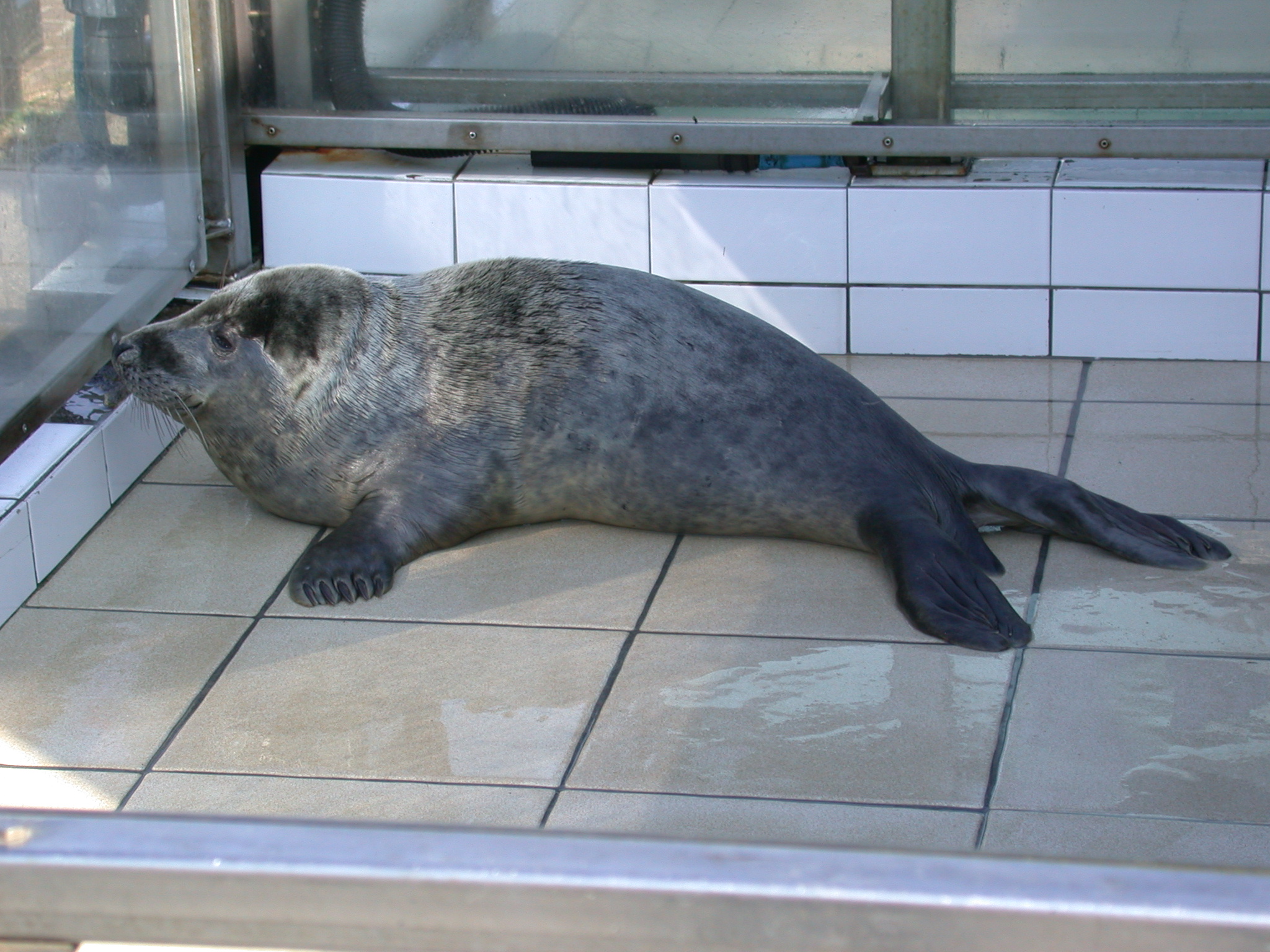
Environmental conservation is a basic practice that focuses on protecting the pure world and its sources. As humanity continues to thrive and develop, the impact now we have on our atmosphere becomes more and more significant. The necessity for conservation is just not only a fashionable concern; it has been an ongoing problem for centuries. However, with the fast developments in know-how and industrialization, the urgency for effective environmental conservation has never been larger.
Certainly one of the first reasons for environmental conservation is the preservation of biodiversity. Biodiversity refers back to the variety of life on Earth, encompassing completely different species of plants, animals, and microorganisms. Each species performs a unique function in maintaining the balance of ecosystems, and the loss of anyone species can have a cascading impact on others. For example, the extinction of a single pollinator species can disrupt the reproduction of flowering plants, which in flip impacts herbivores that rely on these plants for food. Protecting biodiversity is essential for making certain the resilience of ecosystems, which offer essential companies reminiscent of clear air, water, and fertile soil.
Furthermore, environmental conservation is important for combating climate change. The burning of fossil fuels, deforestation, and industrial processes launch greenhouse gases into the ambiance, resulting in world warming. This phenomenon leads to excessive weather events, rising sea ranges, and altered ecosystems. By adopting conservation practices, akin to reforestation, sustainable agriculture, and decreasing waste, we are able to mitigate the consequences of local weather change. For instance, planting timber not solely absorbs carbon dioxide but also offers habitats for wildlife, improves air quality, and enhances the fantastic thing about landscapes.
Water conservation is one other essential facet of environmental conservation. Freshwater is a limited resource, and with the growing global population, the demand for clean water is rising. Actions reminiscent of over-extraction of groundwater, pollution of rivers and lakes, and inefficient irrigation practices threaten our water provide. Implementing water conservation methods, such as rainwater harvesting, greywater recycling, and selling water-environment friendly appliances, can significantly reduce water wastage. Furthermore, protecting wetlands and watersheds is significant for maintaining the natural filtration techniques that provide us with clear water.
Soil conservation is equally vital for maintaining healthy ecosystems. Soil is a residing useful resource that supports plant life and plays an important role in the carbon cycle. Practices akin to crop rotation, cowl cropping, and reduced tillage can enhance soil well being and prevent erosion. Wholesome soil not solely supports agricultural productivity but also contributes to carbon sequestration, helping to mitigate local weather change. By prioritizing soil conservation, we can guarantee food safety and promote sustainable land use practices.
The impact of pollution on the environment can’t be ignored. Air, water, and soil pollution pose vital threats to each human health and the pure world. Industrial discharges, plastic waste, and agricultural runoff contaminate our ecosystems, resulting in dire consequences for wildlife and human populations. Environmental conservation efforts geared toward reducing pollution embody selling clear vitality sources, implementing waste administration systems, and advocating for the reduction of single-use plastics. By making acutely aware selections and supporting insurance policies that prioritize pollution reduction, we will protect the environment for future generations.
Education and awareness play a pivotal position in environmental conservation. Understanding the interconnectedness of human actions and the setting is essential for fostering a culture of sustainability. Colleges, communities, and organizations can promote environmental training by way of workshops, campaigns, and initiatives that encourage people to adopt eco-pleasant practices. By raising awareness in regards to the significance of conservation, we will inspire collective motion and empower people to make informed selections that benefit the planet.
Governments and policymakers also play a vital function in environmental conservation. Laws that helps conservation efforts, such because the institution of protected areas, rules on emissions, and incentives for sustainable practices, can create a framework for defending the environment. International agreements, such because the Paris Agreement, goal to unite nations in the combat towards climate change and promote sustainable growth. It is essential for residents to advocate for insurance policies that prioritize environmental conservation and hold their leaders accountable for his or her commitments.
In addition to particular person and collective efforts, companies have a accountability to undertake sustainable practices. Corporate social accountability (CSR) initiatives can drive optimistic change by integrating environmental issues into business operations. Companies can reduce their carbon footprint by implementing power-environment friendly applied sciences, minimizing waste, and sourcing supplies sustainably. Customers also play a significant role by supporting companies that prioritize environmental conservation and making acutely aware purchasing selections.
Moreover, group involvement is significant for profitable conservation efforts. Grassroots movements and local organizations often lead the cost in defending pure assets and advocating for sustainable practices. Community-based conservation initiatives empower people to take ownership of their surroundings and work collaboratively in the direction of common goals. Whether it is organizing clear-up events, creating community gardens, or advocating for native environmental insurance policies, grassroots efforts can have a considerable influence on conservation.
In conclusion, environmental conservation is an urgent and needed endeavor that requires the collective efforts of individuals, communities, governments, and companies. Protecting our planet’s biodiversity, combating climate change, conserving water and soil, reducing pollution, and promoting training are all integral elements of a sustainable future. As stewards of the Earth, it’s our responsibility to make sure that we leave a wholesome and thriving planet for future generations. By embracing conservation practices and advocating for sustainable insurance policies, we are able to create a greater world for ourselves and the generations to come. If you liked this post and you would like to get additional details concerning erectiledysfunctiontreatments.online kindly browse through our own website. The time to act is now, as the choices we make as we speak will shape the way forward for our planet.

No listing found.