
chasefunderbur
About chasefunderbur
The Rise of Private Jet Travel: A Case Study on Luxury and Convenience
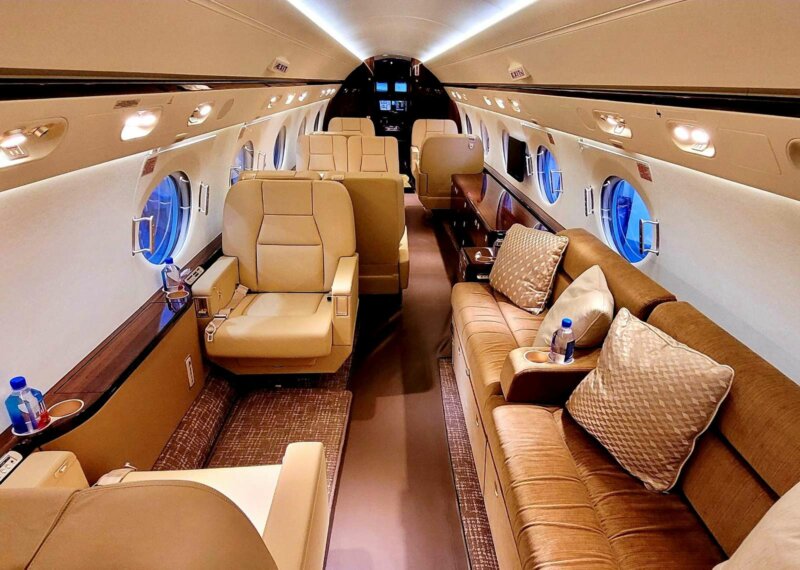
In recent years, private jet travel has transitioned from being a luxury reserved for the elite to a more accessible option for business executives, celebrities, and even families looking for convenience and comfort. If you have just about any inquiries concerning where by along with how to utilize privatejetscharter.review, you possibly can e mail us from our website. This case study explores the dynamics of the private jet industry, the factors driving its growth, and the implications for travelers and the environment.
The Evolution of Private Jet Travel
Historically, private jet travel was synonymous with wealth and exclusivity. The industry began to take shape in the mid-20th century, with the introduction of business jets in the 1960s. The advent of the Learjet 23 marked a significant turning point, as it allowed business professionals to travel quickly and efficiently. Over the decades, advancements in technology, safety, and comfort have made private jets more appealing.
In the 2000s, the rise of fractional ownership and jet card programs made private air travel more accessible. Companies like NetJets and Flexjet allowed individuals to purchase shares in a jet, sharing the costs and responsibilities of ownership. This democratization of private jet travel has led to an increase in demand, particularly among business travelers seeking to maximize productivity while minimizing travel time.
Factors Driving Growth
Several factors contribute to the growth of private jet travel:
- Time Efficiency: One of the primary reasons travelers opt for private jets is the time saved. With the ability to bypass long security lines and boarding processes, travelers can arrive at the airport just minutes before departure. This convenience is particularly appealing for business professionals who need to travel for meetings or events without wasting hours in transit.
- Flexibility: Private jets offer unparalleled flexibility in scheduling. Travelers can choose their departure times, routes, and even destinations. This adaptability allows for spontaneous trips or last-minute changes, which are often impossible with commercial airlines.
- Comfort and Privacy: The luxurious environment of a private jet provides a level of comfort that commercial flights cannot match. Passengers can enjoy spacious seating, gourmet catering, and the privacy needed for confidential discussions or relaxation. This is particularly important for high-profile individuals who require discretion.
- Health and Safety Considerations: The COVID-19 pandemic significantly impacted the travel industry, with many travelers seeking safer alternatives to crowded commercial flights. Private jets offer a controlled environment, reducing exposure to potential health risks. This shift has led to a surge in demand for private air travel as people prioritize their health and safety.
- Technological Advancements: Innovations in aviation technology have improved the efficiency and safety of private jets. Enhanced navigation systems, fuel-efficient engines, and advanced materials have made flying private more appealing from both a performance and environmental standpoint.
The Demographics of Private Jet Travelers
Private jet travelers come from various backgrounds, but certain demographics are more prevalent in this sector:
- Business Executives: Many of the private jet trips are taken by corporate executives who require swift travel to meet clients, attend conferences, or oversee operations in different locations. The ability to conduct meetings in-flight or utilize onboard amenities for work purposes makes private jets an attractive option.
- Celebrities and Athletes: High-profile individuals often use private jets to maintain their privacy and avoid the paparazzi. The convenience of traveling directly to remote locations for film shoots, events, or personal vacations is a significant draw.
- Wealthy Families: Affluent families are increasingly using private jets for vacations and family trips. The comfort and convenience of private travel allow families to create memorable experiences without the hassles of commercial travel.
The Environmental Impact
While private jet travel offers numerous benefits, it also raises concerns about its environmental impact. Private jets produce significantly more carbon emissions per passenger than commercial flights, leading to scrutiny from environmental advocates.
The industry is responding to these concerns by exploring more sustainable practices. Many private jet operators are investing in carbon offset programs, which allow travelers to compensate for their emissions by funding renewable energy projects or reforestation efforts. Additionally, the development of electric and hybrid aircraft is underway, promising to reduce the carbon footprint of private aviation in the future.
The Future of Private Jet Travel
The future of private jet travel appears promising, with continued growth anticipated in the coming years. As more individuals and businesses recognize the advantages of private travel, the market is likely to expand further.
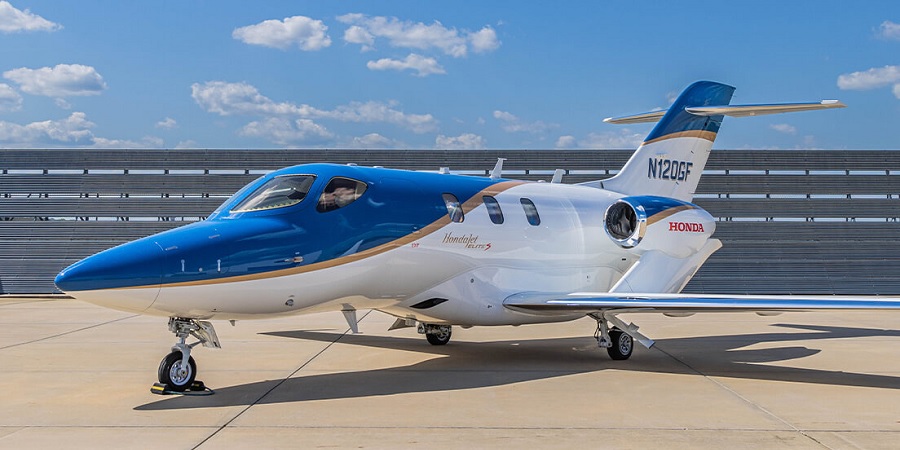
Key trends shaping the future of the industry include:
- Increased Accessibility: The rise of on-demand charter services and membership programs is making private jet travel more accessible to a broader audience. Companies like Wheels Up and VistaJet are offering pay-as-you-go options that appeal to occasional travelers.
- Technological Integration: The integration of technology in the booking process and in-flight experience is expected to enhance convenience. Mobile apps that allow for seamless booking, real-time flight tracking, and personalized services are becoming standard.
- Focus on Sustainability: As environmental concerns continue to grow, the private jet industry is likely to prioritize sustainability. The development of more eco-friendly aircraft and the adoption of sustainable aviation fuels will play a crucial role in shaping the future of private travel.
Conclusion
Private jet travel has evolved dramatically over the past few decades, transitioning from an exclusive luxury to a more accessible option for a diverse range of travelers. The industry is driven by the need for efficiency, flexibility, and comfort, with significant implications for business, leisure, and the environment. As technology advances and sustainability becomes a priority, private jet travel is poised to continue its growth, catering to the demands of modern travelers while addressing the challenges of environmental impact.
No listing found.